Signs Wildlife Has Moved Into Your Attic, Walls, or Crawl Space
If signs wildlife has moved into your attic, walls, or crawl space, local contractors can identify the problem and safely remove the animals.
Discovering signs that wildlife has moved into your attic, walls, or crawl space can be a concerning experience for property owners. These signs might include strange noises at night, unusual smells, or the presence of droppings and nesting materials in hidden areas. Recognizing these indicators early can help prevent potential damage to your property and avoid health risks associated with animal infestations. For those living in the area, understanding what to look for is a practical step toward maintaining a safe and comfortable home environment.
When signs of wildlife presence are noticed, connecting with experienced local contractors who specialize in wildlife removal can make a significant difference. These professionals are equipped to handle the situation humanely and effectively, ensuring that animals are safely removed and your property is secured against future intrusions. Exploring options for wildlife removal services nearby provides property owners with the resources needed to address these issues promptly and confidently. Keep reading to learn more about identifying signs of wildlife and how local experts can assist in resolving these common challenges.
- Wildlife intrusion detection - when signs wildlife has moved into your attic, walls, or crawl space appear, local contractors can assess the property to identify entry points and signs of activity.
- Animal removal services - if evidence suggests wildlife has taken up residence, local service providers can safely and humanely remove animals from your home’s enclosed spaces.
- Entry point sealing - upon noticing signs of wildlife, professionals can locate and seal access points to prevent future intrusions and secure the structure.
- Attic and wall restoration - when signs wildlife has moved into your attic, walls, or crawl space are present, local pros can clean and restore affected areas to prevent damage and odor issues.
- Preventative wildlife exclusion - after confirming wildlife presence, local contractors can implement exclusion techniques to keep animals from re-entering your home.
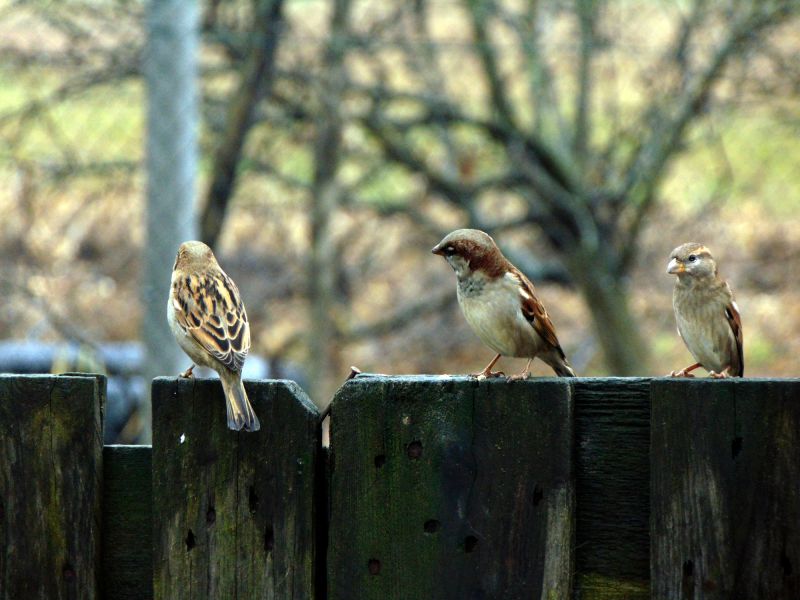
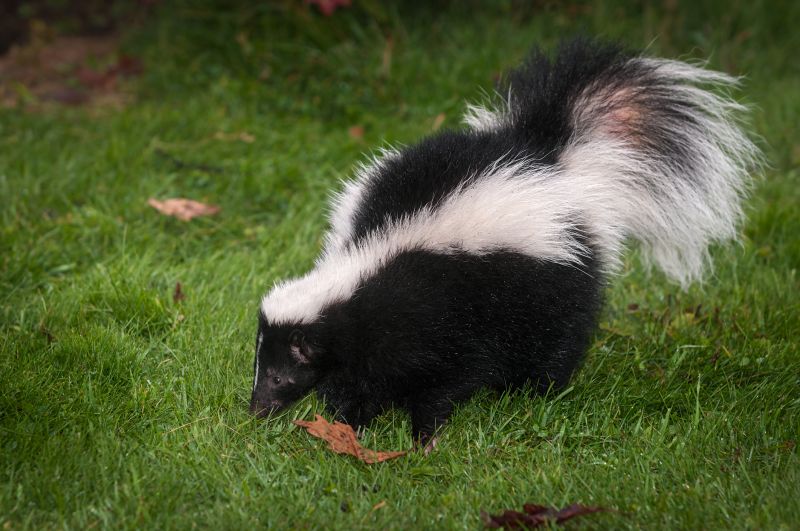
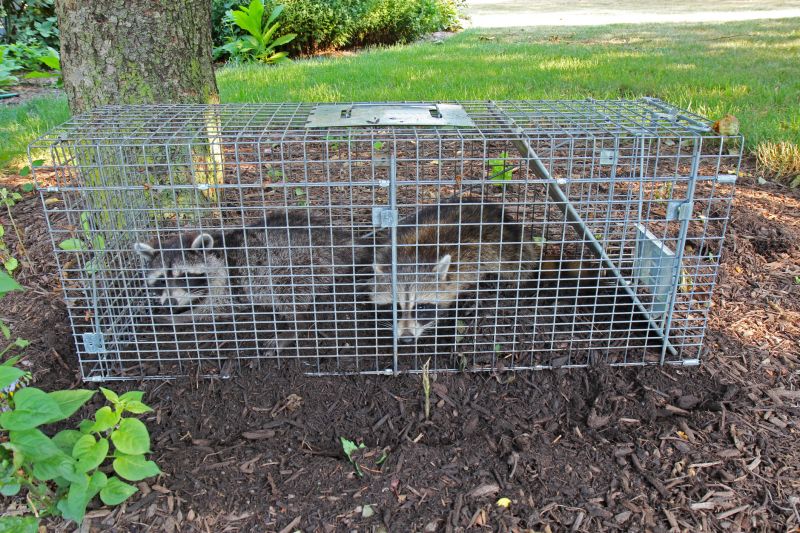
When homeowners notice unusual activity or disturbances in their homes, they often search for signs wildlife has moved into your attic, walls, or crawl space. This concern typically arises after hearing scratching sounds, strange noises, or noticing an increase in droppings and debris in these hidden areas. Many people are also alerted by foul odors, nesting materials, or damage to insulation and wiring. Recognizing these signs early is important because wildlife in these spaces can lead to property damage, health risks, and further infestations if not addressed promptly. Understanding what to look for helps homeowners determine whether professional wildlife removal services are needed to safely and effectively resolve the issue.
The problems associated with wildlife in these parts of a home extend beyond mere nuisance. Animals such as raccoons, squirrels, bats, or rodents can cause structural damage by gnawing on wood, wiring, or insulation. Their presence can also lead to contamination from droppings and urine, which may pose health hazards. Additionally, some animals, like bats, can carry diseases that are transmissible to humans. Many property owners plan to remove the animals and prevent future entries, which involves sealing entry points and restoring damaged areas. Wildlife removal professionals are equipped to handle these situations safely, ensuring that animals are removed humanely and that homes are secured against re-entry.
Certain types of properties are more prone to wildlife invasions, especially those with accessible attics, crawl spaces, or wall voids. Older homes with less secure entry points or damaged roofing are particularly vulnerable. Rural properties or homes near wooded areas often encounter wildlife trying to find shelter or food sources. Additionally, properties with poorly maintained ventilation systems or gaps around windows and doors provide easy access for animals. Homeowners in these environments should remain vigilant for signs of intrusion, as the likelihood of wildlife moving into these spaces increases. Engaging local contractors experienced in wildlife removal can help assess vulnerabilities and implement effective solutions.
Detecting signs wildlife has moved into your attic, walls, or crawl space is a crucial step in addressing potential infestations. Common indicators include scratching or scuffling noises, the sighting of animals or their droppings, nests built in hidden corners, or foul odors emanating from these areas. Visual clues like chewed wiring or insulation damage also point to animal activity. When these signs are observed, it is advisable to consult with local service providers who specialize in wildlife removal. These professionals can evaluate the situation, safely remove the animals, and help prevent future issues by sealing entry points and restoring affected spaces, ensuring the home remains secure and animal-free.
Attic insulation replacement - professionals can identify and remove insulation contaminated by wildlife, ensuring the space is safe and animal-free.
Structural damage repair - wildlife activity often causes damage to walls, rafters, or crawl spaces, which local contractors can assess and repair effectively.
Pest proofing and sealing - after wildlife removal, service providers can help seal entry points to prevent future invasions in attics, walls, or crawl spaces.
Ventilation system cleaning - wildlife presence can compromise attic or crawl space ventilation; local pros can clean and restore proper airflow.
Exclusion fencing installation - to keep wildlife out of sensitive areas, contractors can install exclusion barriers around the property’s vulnerable spots.
Moisture and mold remediation - wildlife intrusion often leads to moisture issues; local specialists can address mold growth and improve indoor air quality.
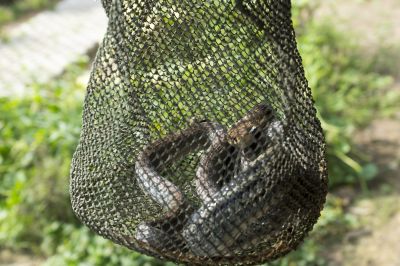
When evaluating wildlife removal services, it is important to consider the experience that local contractors have with similar projects. Homeowners should look for service providers who have a proven track record of handling wildlife intrusions in attics, walls, or crawl spaces. An experienced professional will be familiar with common signs wildlife has moved into these areas and will understand the most effective methods for humane removal and prevention. This familiarity can help ensure the job is done efficiently and thoroughly, reducing the likelihood of recurring issues.
Clear written expectations are essential when choosing a wildlife removal service. Homeowners should seek providers who can offer detailed descriptions of the scope of work, including inspection, removal, sealing, and cleanup. Having this information in writing helps establish a mutual understanding of what the project entails and prevents misunderstandings later on. It also provides a reference point should questions or concerns arise during the process, making the entire experience more transparent and manageable.
Reputable references and good communication are key indicators of a trustworthy service provider. Homeowners are encouraged to ask for references or reviews from previous clients who have had similar wildlife issues. This feedback can provide insight into the contractor’s reliability, professionalism, and quality of work. Additionally, effective communication-such as prompt responses to inquiries and clarity in explaining procedures-can make the process smoother and more comfortable. Choosing a contractor who communicates well and has positive references can help ensure the wildlife removal project is handled competently and with care.
Property owners often search for signs wildlife has moved into your attic, walls, or crawl space when they are planning practical projects around their homes and businesses. Local pros provide Wildlife Removal services for everyday jobs and straightforward project options.
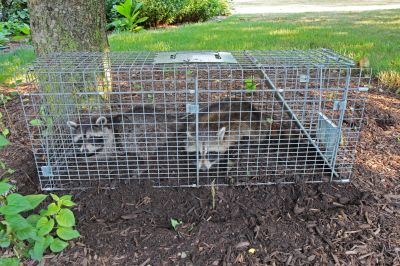
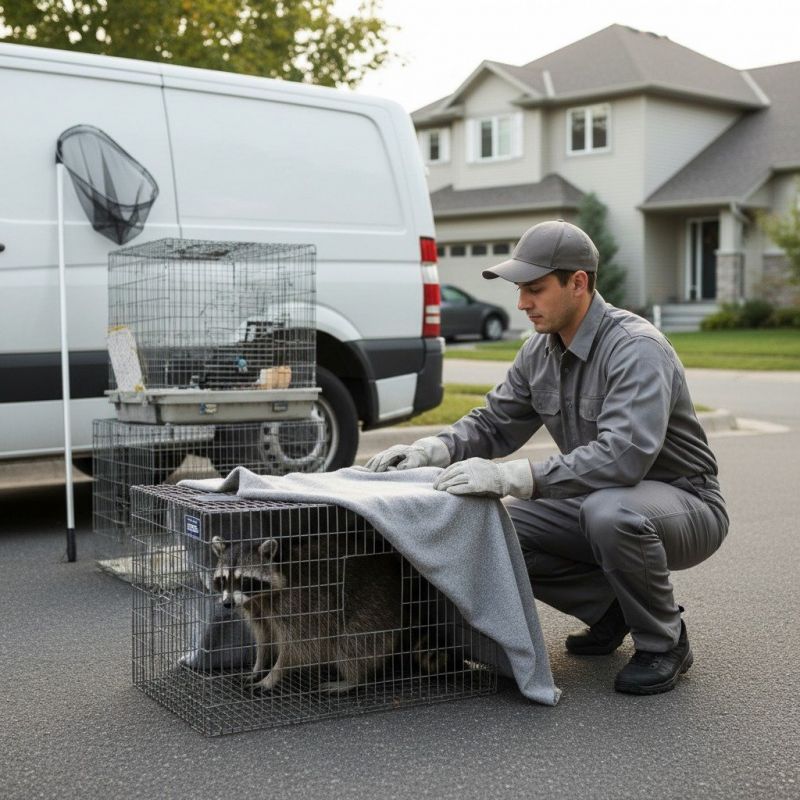
Recognizing signs wildlife has moved into your attic, walls, or crawl space can often start with simple observations around the home. Unusual noises, especially at night, such as scratching, scurrying, or squeaking, are common indicators. You might also notice damage to insulation, chewed wires, or small droppings in areas that are otherwise hard to access. These subtle clues can prompt property owners to seek out wildlife removal services from local contractors who specialize in humane and effective removal methods.
Other signs include foul odors or the presence of nests, which may be made from shredded insulation, leaves, or other materials. If you spot entry points like holes or gaps around vents, soffits, or the roofline, it could mean animals have gained access to your property’s hidden spaces. When these signs appear, it’s often a good idea to connect with local wildlife removal professionals who can assess the situation and safely handle the removal process, helping to prevent further damage or health concerns.
What are common signs wildlife has moved into your attic, walls, or crawl space? You may notice scratching or scurrying sounds, droppings, or damaged insulation, which can indicate animal activity in hidden areas.
How can I tell if animals are nesting inside my home? Signs include chewed wiring, unusual odors, and visible nests or bedding materials in hard-to-reach spaces like attics or wall cavities.
What should I look for to identify wildlife presence in my walls or attic? Look for signs such as holes or entry points, stained or torn insulation, and sounds of movement, especially at dusk or dawn.
Are there visual clues that suggest wildlife has entered my crawl space? Yes, you might see footprints, droppings, or damage to vents and vents screens, along with sounds of animals moving overhead.
Who can help when signs of wildlife are detected in my home’s hidden spaces? Local contractors specializing in wildlife removal can assess the situation and safely remove animals from attics, walls, or crawl spaces.
Identify unusual noises - listening for scratching, scurrying, or thumping sounds can help pinpoint wildlife activity in hidden spaces.
Inspect for droppings and damage - noticing droppings, chewed materials, or nesting debris can indicate signs wildlife has moved into your attic, walls, or crawl space.
Look for entry points - examining the exterior for small holes, gaps, or vents can reveal how animals are gaining access to your property.
Observe for odors or odors - persistent musty smells or strange odors may signal the presence of wildlife living inside walls or attics, prompting professional removal services.
If you are thinking about signs wildlife has moved into your attic, walls, or crawl space for a property, this guide is meant to help you understand this topic, the typical project types, and how different options might fit your plans.
When you are ready, you can use the quote form on this page to share a few details about your project. From there, local pros can review the basics and follow up with options that match what you have in mind.