Health Risks Associated With Wildlife Living in or Around Your Home
Wildlife removal experts can help reduce health risks associated with wildlife living in or around your home by safely removing animals and preventing contamination.
Understanding the health risks associated with wildlife living in or around your home is an important step for property owners concerned about safety and well-being. Animals such as raccoons, squirrels, bats, and birds can carry diseases or parasites that pose health threats to humans and pets alike. Recognizing the signs of wildlife intrusion and knowing how to address them can help prevent potential health hazards before they become more serious. Local service providers specializing in wildlife removal are equipped to assess your property, safely handle unwanted animals, and implement solutions that reduce health risks effectively.
For homeowners and property managers in the area, exploring this topic is a practical move to protect your living environment. Wildlife can often find easy access points into attics, crawl spaces, or wall cavities, creating ongoing concerns. Engaging with experienced local contractors who specialize in wildlife removal can ensure that animals are removed humanely and that entry points are properly sealed. Keeping wildlife out not only minimizes health risks but also helps maintain the integrity and safety of your property. Keep reading to learn more about common wildlife-related health concerns and how local experts can assist in safeguarding your home.
- Wildlife exclusion - local contractors can identify entry points and safely remove animals to reduce health risks associated with wildlife living in or around your home.
- Rodent removal - experts handle infestations that pose health threats like disease transmission and contamination, ensuring proper cleanup and prevention.
- Bat removal - professionals safely remove bats to prevent exposure to rabies and other health hazards linked to wildlife living in or around your home.
- Bird control - service providers can eliminate nesting birds and prevent droppings that can carry harmful bacteria and fungi affecting health.
- Squirrel exclusion - local contractors can seal entry points and remove squirrels to minimize the risk of parasites and disease spread associated with wildlife living in or around your home.
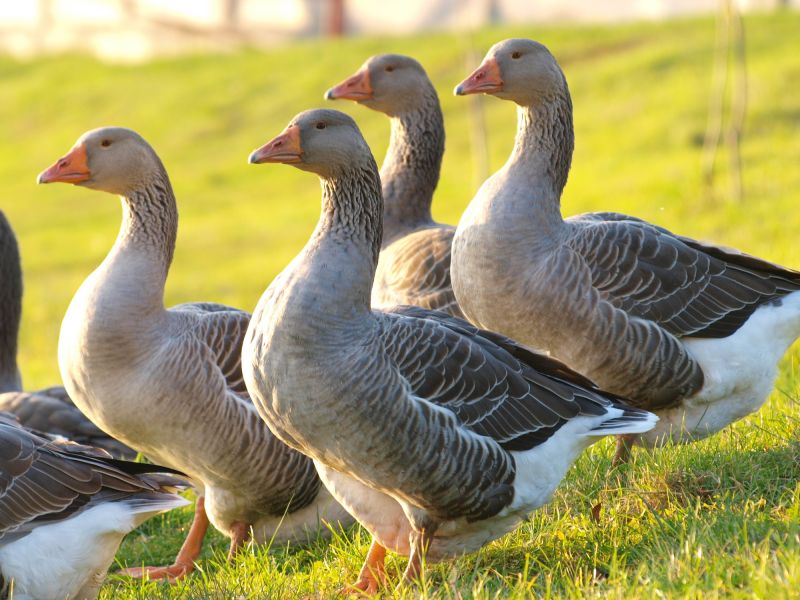
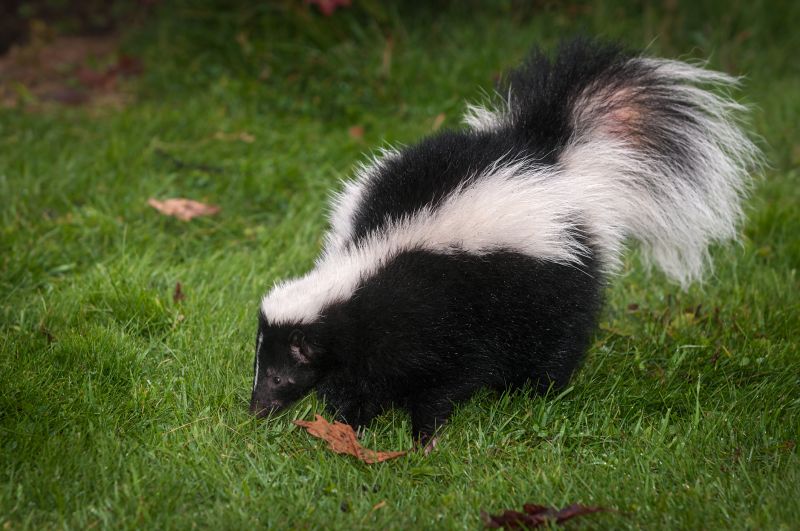
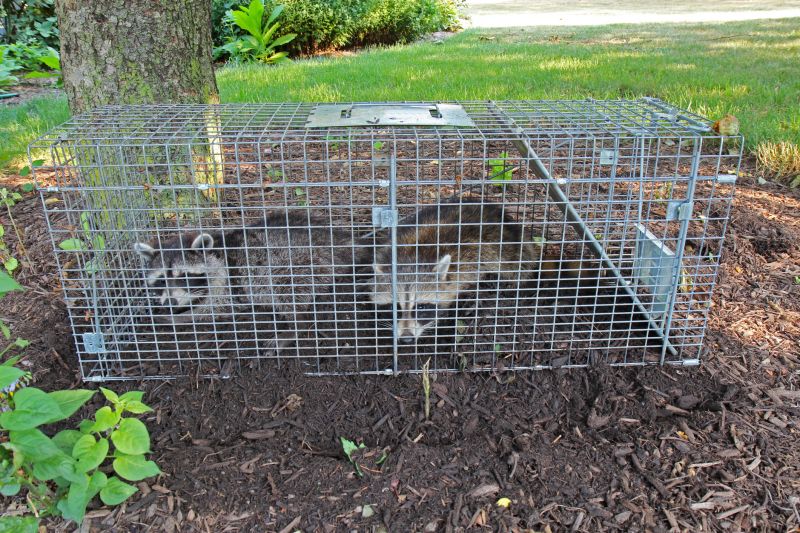
When people search for information about health risks associated with wildlife living in or around their home, they often want to understand how animals such as raccoons, squirrels, bats, or birds can impact their health. This concern typically arises after noticing signs of wildlife activity, like droppings, strange noises, or damage to the property. Homeowners are usually worried about potential disease transmission, parasites, or other health hazards that can come from animals nesting in attics, crawl spaces, or exterior walls. Recognizing these risks is important for those who want to maintain a safe living environment and prevent health issues that might stem from uninvited wildlife residents.
This topic is closely related to a variety of property problems and planning efforts. Many homeowners consider wildlife removal services when they discover animals living in or around their homes, especially if the animals have caused damage or pose health concerns. It also ties into ongoing maintenance or renovation projects where wildlife intrusion needs to be addressed before further damage occurs. For example, sealing entry points or installing barriers are common steps in a plan to prevent future wildlife access. Understanding the health risks involved emphasizes the importance of professional wildlife removal, as improper handling can increase exposure to zoonotic diseases or parasites.
The types of properties that often come up in discussions about wildlife-related health risks include single-family homes, especially those with accessible attics, basements, or crawl spaces. Rural properties with large yards or nearby wooded areas are also more prone to wildlife intrusion. Commercial buildings, such as barns, warehouses, or storage facilities, can be affected as well, especially if they have openings or structural vulnerabilities. These properties tend to attract different kinds of animals depending on their location and design, making it important for homeowners and property managers to understand the specific risks and how local service providers can help mitigate them.
Local wildlife removal professionals play a key role in addressing health risks associated with wildlife living in or around a home. They are equipped to identify signs of animal activity, safely remove unwanted visitors, and implement exclusion methods to prevent future entry. By working with experienced service providers, homeowners can reduce the likelihood of disease transmission, parasite infestations, and other health hazards linked to wildlife. Proper removal and exclusion not only protect the health of residents but also help preserve the integrity of the property, making professional assistance an essential part of managing wildlife-related health risks effectively.
Wildlife habitat assessment - professionals evaluate areas around homes to identify wildlife nesting sites that may pose health risks and require removal or exclusion.
Pest exclusion services - local contractors implement measures to seal entry points and prevent wildlife from entering living spaces, reducing potential health hazards.
Rodent control programs - specialists target rodents that can carry diseases and allergens, helping to minimize health risks associated with their presence.
Bat removal and exclusion - experts safely remove bats from structures and prevent re-entry, addressing concerns related to disease transmission.
Wildlife debris cleanup - service providers remove nests, droppings, and other debris that can harbor pathogens and cause health issues.
Structural repairs for wildlife damage - contractors repair and reinforce building features to prevent wildlife entry, reducing health risks linked to infestations.
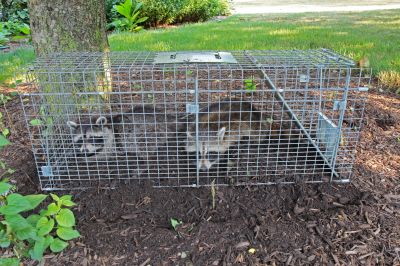
When comparing wildlife removal service providers, it’s important to consider their experience with similar projects involving wildlife living in or around homes. An experienced contractor will have a better understanding of the common types of wildlife in the area and the most effective methods for safely and thoroughly removing animals that pose health risks. Asking about their background with projects like yours can help ensure they are familiar with the specific challenges and safety precautions necessary to address potential health hazards associated with wildlife infestations.
Clear written expectations are essential when choosing a wildlife removal service. A reputable provider should be able to outline the scope of work, including inspection procedures, removal techniques, and follow-up measures to prevent future issues. This clarity helps homeowners understand what to expect and ensures that the process addresses health risks effectively. Well-documented plans also serve as a reference to confirm that the job will be handled responsibly and comprehensively, reducing the chances of overlooked hazards or incomplete removal.
Reputable references and good communication are key indicators of a reliable service provider. References from previous clients can offer insights into the contractor’s professionalism, effectiveness, and attention to safety, especially in situations involving health risks associated with wildlife living in or around a home. Additionally, a contractor who communicates clearly and promptly can help homeowners feel confident about the process, ask questions, and receive guidance on safety concerns related to wildlife and potential health hazards. This open dialogue ensures that homeowners are well-informed and comfortable throughout the project.
Property owners often search for health risks associated with wildlife living in or around your home when they are planning practical projects around their homes and businesses. Local pros provide Wildlife Removal services for everyday jobs and straightforward project options.
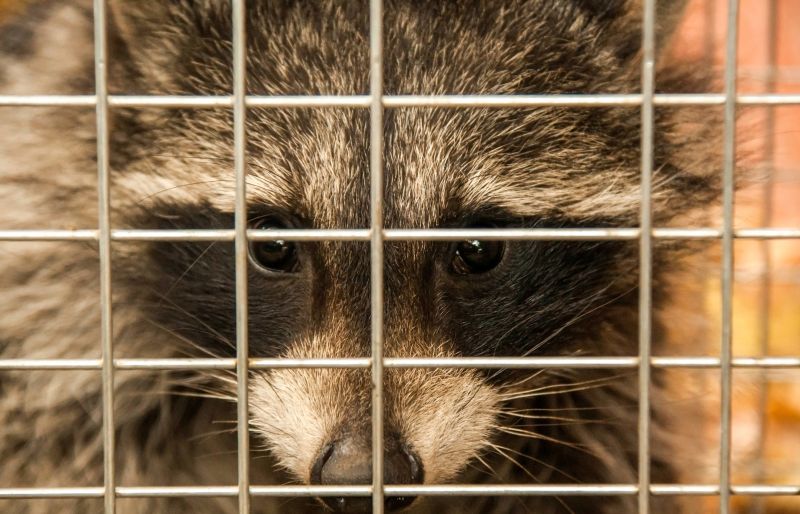
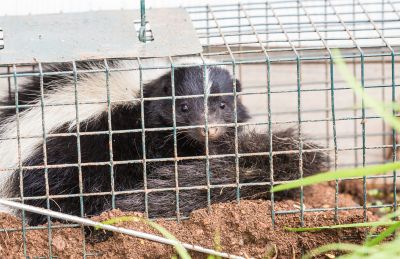
Wildlife living in or around a home can pose several health risks that property owners should be aware of. Animals such as rodents, raccoons, bats, and birds often carry parasites, bacteria, and viruses that can be transmitted to humans through contact or contamination of surfaces and food sources. For example, rodent droppings and urine can carry pathogens that lead to diseases like hantavirus or leptospirosis, while bat guano may harbor fungi that cause respiratory issues. Recognizing these potential hazards is important for maintaining a safe environment, especially if wildlife has taken up residence in attics, crawl spaces, or around the yard.
Property owners seeking to mitigate these health risks can consider the services of local contractors experienced in wildlife removal. These professionals are equipped to safely and effectively handle the removal of animals, preventing further contamination and reducing the likelihood of disease transmission. Engaging with local wildlife removal specialists can also help identify entry points and prevent future visits, ensuring the home remains a safe space free from the health dangers associated with unwanted wildlife.
What health risks are associated with wildlife living in or around a home? Wildlife can carry diseases such as rabies, hantavirus, and salmonella, which pose health risks to residents. Local contractors can safely remove these animals to reduce exposure to these hazards.
How can wildlife in my home affect my family's health? Animals like rodents and bats can transmit parasites and bacteria that may cause illnesses. Professional wildlife removal services help eliminate these risks by humanely and safely removing the animals.
Are there risks of disease transmission from wildlife in my attic or walls? Yes, animals nesting in hidden areas can spread diseases through droppings, urine, or bites. Local service providers can perform thorough removal and sanitation to minimize health dangers.
Why is it important to address wildlife presence promptly? Delaying removal can increase the risk of disease spread and structural damage. Local contractors can quickly and effectively handle wildlife issues to protect health and property.
What steps do wildlife removal professionals take to ensure health safety? They use humane methods to remove animals and conduct sanitation to eliminate parasites and contaminants, reducing health risks associated with wildlife living in or around a home.
Identify wildlife entry points - inspecting your home for gaps or holes can help prevent animals from nesting inside, reducing health risks associated with wildlife living in or around your home.
Seal potential nesting sites - sealing cracks and openings with the help of local contractors can minimize wildlife access and associated health hazards.
Implement exclusion barriers - installing barriers around vents, chimneys, and rooflines can deter wildlife from entering your property and spreading diseases.
Schedule professional wildlife removal - engaging local service providers to safely remove animals ensures health risks are minimized and nesting is properly addressed.
If you are thinking about health risks associated with wildlife living in or around your home for a property, this guide is meant to help you understand this topic, the typical project types, and how different options might fit your plans.
When you are ready, you can use the quote form on this page to share a few details about your project. From there, local pros can review the basics and follow up with options that match what you have in mind.