Common Small Animal Problems in Commercial and Industrial Properties
People seeking small animal removal often want to eliminate pests like rodents or raccoons from commercial or industrial properties, and local service providers can efficiently handle these common problems.
Visitors exploring common small animal problems in commercial and industrial properties are in the right place to find helpful insights. Property owners in the area often face challenges related to rodents, birds, and other small creatures that can cause damage or disrupt operations. Understanding these issues is essential for maintaining a safe and functional environment, and exploring solutions early can prevent costly repairs or health concerns. The presence of small animals can sometimes indicate underlying vulnerabilities in building structures or entry points, making it important to work with local service providers experienced in humane removal and prevention methods.
Continuing to read can reveal practical reasons why property owners might seek assistance with small animal issues, such as protecting inventory, ensuring compliance with health standards, or avoiding pest-related liabilities. Many local contractors specialize in humane small animal removal services, offering effective strategies to address and prevent recurring problems. Connecting with these experienced professionals can help property owners develop tailored solutions that keep their commercial or industrial spaces secure and animal-free, without unnecessary disruptions or risks.
- when signs of small animal activity are detected inside commercial or industrial buildings, local contractors can assess and implement removal strategies. - if rodents or other small animals are found nesting in attics, walls, or storage areas, service providers can safely remove them and seal entry points. - during inspections for pest issues, local pros identify and address small animal problems that threaten building integrity or sanitation. - when small animals are causing damage to wiring, insulation, or structural components, local contractors can perform targeted removal and repairs. - if odors or droppings indicate a small animal infestation in commercial or industrial spaces, service providers can eliminate the pests and sanitize affected areas.
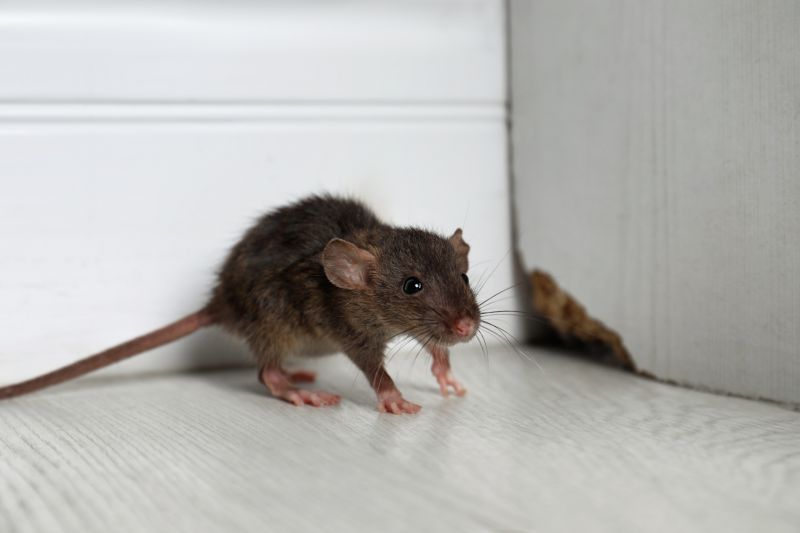
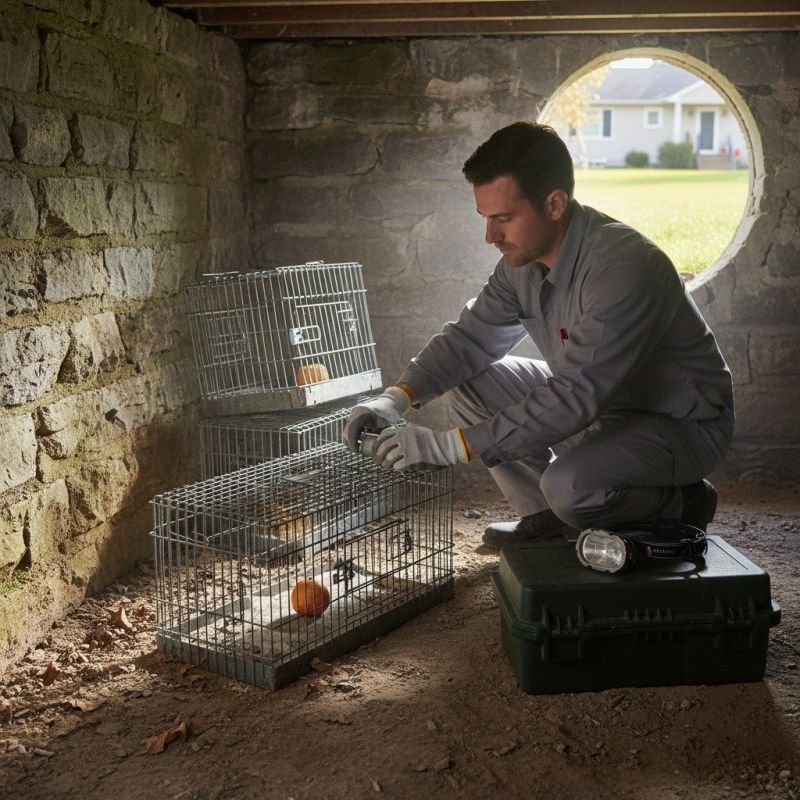
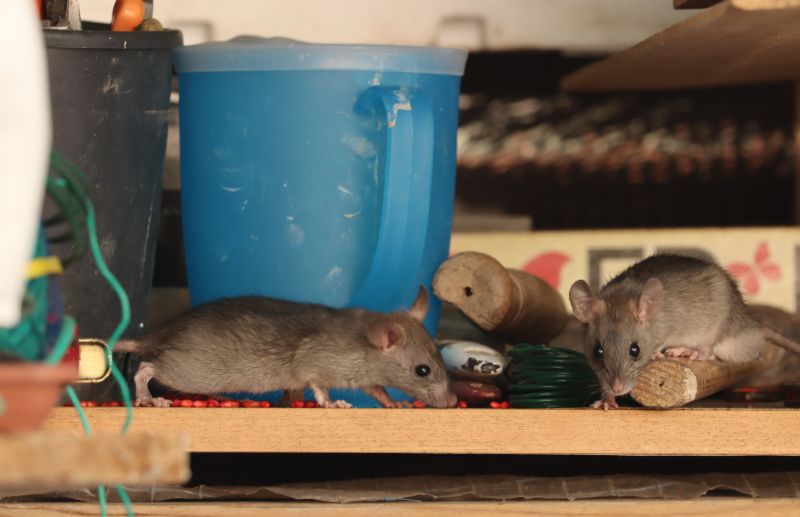
When people search for information about common small animal problems in commercial and industrial properties, they are typically looking to understand issues caused by rodents, birds, or other small animals that can impact the safety, cleanliness, and functionality of a business space. These searches often stem from concerns about pests entering buildings, causing damage to wiring or insulation, contaminating food storage areas, or creating noise and sanitation problems. Business owners and property managers want to identify signs of infestation early and learn about effective solutions to prevent or address these issues. Understanding the nature of these problems helps them plan appropriate measures to protect their investments and maintain a safe, compliant environment.
The problems associated with small animals in commercial and industrial properties often relate to structural vulnerabilities, sanitation concerns, and potential health risks. Common issues include rodents gnawing through electrical wiring, which can increase fire hazards; birds nesting in vents or rafters, leading to blockages and damage; and small animals contaminating food products or storage areas with droppings and debris. Property owners may also encounter noise disturbances or damage to insulation and building materials. Many plans involve inspection, exclusion, and removal strategies to eliminate existing infestations and prevent future ones. Local service providers specializing in small animal removal can assess the situation and implement targeted solutions that address these specific problems.
Properties that typically face small animal problems include warehouses, manufacturing facilities, restaurants, retail stores, and office complexes. Any commercial or industrial space with access points, open vents, or storage areas can become attractive habitats for small animals. Buildings with inadequate sealing, damaged roofing, or poorly maintained exteriors are especially vulnerable to entry and nesting. Additionally, properties located near wooded or undeveloped areas may experience higher risks of animal intrusion. Recognizing the types of properties prone to these issues helps owners and managers understand where to focus inspection and exclusion efforts. Local contractors experienced in small animal removal are equipped to handle the unique challenges of these environments and help restore the safety and integrity of the property.
Understanding common small animal problems in commercial and industrial properties is essential for maintaining a safe and functional environment. These issues often involve structural vulnerabilities, sanitation concerns, and potential damage to building systems. Business owners and property managers can benefit from working with local service providers who specialize in small animal removal, as they bring the expertise needed to identify entry points, safely remove animals, and implement exclusion measures. Proper management of these problems not only reduces immediate risks but also helps prevent recurring infestations that could disrupt operations or lead to costly repairs. Connecting with experienced local contractors ensures that the specific needs of each property are addressed effectively, supporting ongoing safety and compliance.
Pest exclusion projects - these involve sealing entry points and creating barriers, skills that are essential in addressing small animal problems in commercial and industrial properties.
Building inspection services - thorough inspections help identify signs of small animal activity, enabling service providers to develop effective removal and prevention plans.
Wildlife trapping and removal - professionals specializing in humane trapping techniques are often called upon to handle small animals invading commercial spaces.
Structural repair projects - repairing damage caused by small animals or sealing gaps relates closely to the skills used in small animal exclusion and prevention.
Rodent proofing services - these projects focus on blocking access points, which is a key aspect of managing common small animal problems in commercial settings.
Sanitation and cleanup projects - cleaning up after small animals, including removing droppings and nesting materials, requires specialized knowledge similar to small animal removal services.
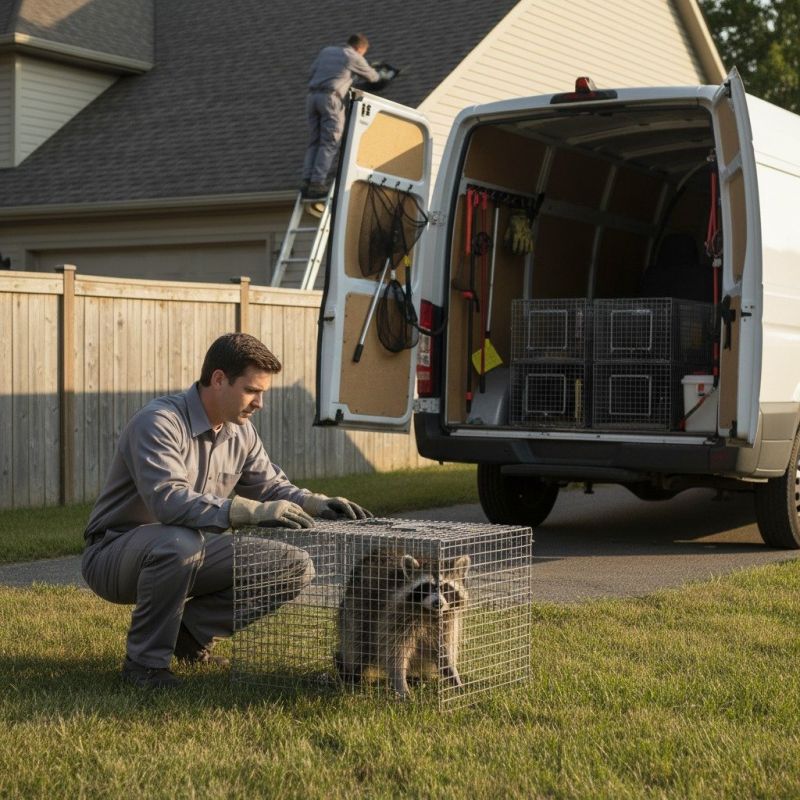
When evaluating service providers for small animal removal in commercial and industrial properties, experience with similar projects is an important factor to consider. Local contractors who have handled small animal problems in environments comparable to the property in question are more likely to understand the specific challenges involved. This experience can contribute to more effective and efficient solutions, reducing the risk of recurring issues. It’s beneficial to inquire about the types of properties they have worked on and the kinds of animals they have successfully managed, ensuring their background aligns with the particular needs of the property.
Clear written expectations are essential when selecting a service provider for small animal removal. A reputable contractor should be able to provide detailed descriptions of the scope of work, the methods they plan to use, and what the property owner can expect throughout the process. Having this information in writing helps prevent misunderstandings and ensures that all parties are aligned on the project’s goals. It also allows for easier comparison between different local contractors by highlighting differences in approach, professionalism, and transparency.
Reputable references and good communication practices are key indicators of a dependable small animal removal service. Local pros who can provide references from previous clients demonstrate a track record of successful projects and satisfied customers. Additionally, clear and responsive communication throughout the process can make a significant difference in addressing concerns promptly and ensuring the project proceeds smoothly. When comparing local service providers, it’s helpful to ask for references and observe how promptly and clearly they communicate, as these qualities often reflect their overall professionalism and reliability in handling common small animal problems in commercial and industrial settings.
Property owners often search for common small animal problems in commercial and industrial properties when they are planning practical projects around their homes and businesses. Local pros provide Small Animal Removal services for everyday jobs and straightforward project options.
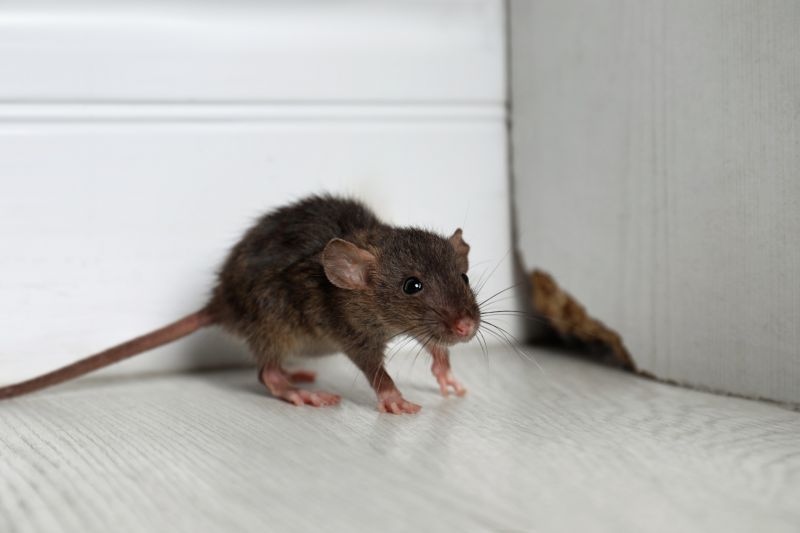
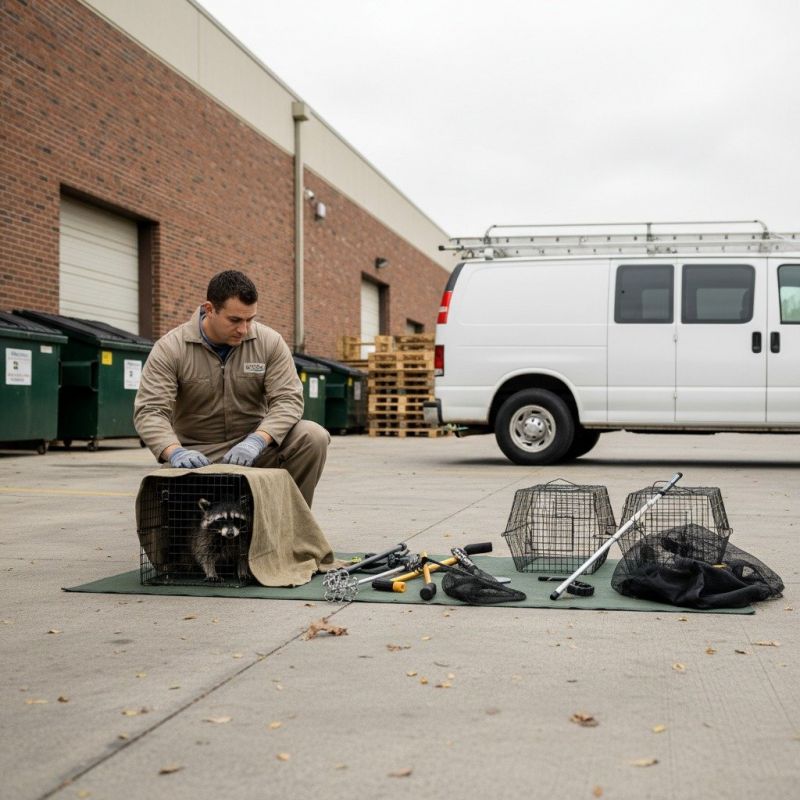
Many commercial and industrial property owners encounter common small animal problems that can disrupt operations and compromise building integrity. Rodents such as mice and rats often seek shelter in attics, wall voids, or storage areas, leading to potential damage to wiring, insulation, and stored goods. Bird infestations, including pigeons and sparrows, may roost on rooftops or ledges, creating messes and possibly spreading disease. These issues are frequently discovered during routine inspections or after noticing unusual noises, droppings, or nesting materials, prompting property owners to seek the expertise of local service providers experienced in small animal removal.
In many cases, property owners look up this topic because small animals have become a persistent nuisance or have begun to cause noticeable damage. Whether it’s a sudden increase in droppings, strange odors, or signs of nesting activity, these signs often indicate a need for professional removal services. Local contractors specializing in small animal removal can assess the situation, safely remove the animals, and help prevent future infestations. Connecting with experienced service providers ensures that properties remain secure and free from the common small animal problems that can affect commercial and industrial spaces.
What are common small animal problems in commercial and industrial properties? Common issues include rodents nesting in walls, birds entering ventilation systems, and small mammals damaging electrical wiring or insulation.
How do small animals typically enter commercial buildings? Small animals often find entry points through gaps around doors, windows, vents, or damaged roofing, and may also exploit openings in foundation or utility areas.
What signs indicate a small animal problem in a property? Signs include droppings, gnaw marks, unusual noises, nesting materials, or sightings of animals in or around the building.
Why is it important to address small animal problems promptly? Prompt removal helps prevent structural damage, contamination, and health risks associated with small animals and their droppings or nests.
How can local service providers help with small animal problems in commercial properties? Local contractors offer removal and exclusion services to safely eliminate small animals and prevent future entry points, ensuring the property remains secure.
Identifying entry points - property owners can inspect buildings for gaps and holes that small animals use to access the interior, allowing local contractors to seal these openings effectively.
Managing nesting sites - recognizing and safely removing nests in attics, walls, or crawl spaces helps prevent ongoing small animal issues with help from nearby service providers.
Implementing exclusion techniques - installing barriers and one-way doors can prevent animals from re-entering after removal, with local pros guiding proper application.
Conducting ongoing inspections - regular property checks help detect early signs of small animal activity, enabling prompt intervention by experienced removal specialists.
If you are thinking about common small animal problems in commercial and industrial properties for a property, this guide is meant to help you understand this topic, the typical project types, and how different options might fit your plans.
When you are ready, you can use the quote form on this page to share a few details about your project. From there, local pros can review the basics and follow up with options that match what you have in mind.